

Choosing coffee beans isn’t like picking produce at the grocery store. It’s more like curating a playlist, where every track (or in our case, every bean) needs to contribute something special to the overall experience.
Let’s pull back the curtain on how Cupla Coffee sources our beans and why that translates to a better cup in your hands.
It Starts at the Source (No, Really)
We work with a network of small farms and cooperatives that grow organic, fair trade, shade-grown coffee. That’s a mouthful of certifications, but here’s what it means:
- The farmers get paid fairly
- The land stays healthy
- Coffee is shade-grown (grown under a canopy of trees)
Why does shade-grown matter for your taste buds? Coffee cherries that mature slowly under tree cover develop more complex sugars. It’s like the difference between a tomato ripened on the vine versus one picked green and shipped across the country.

We Taste. A Lot.
Before we commit to any coffee, we cup it multiple times. Cupping is a formal tasting process where we sip coffee from a spoon to spread it across our palate and pick up on subtle flavor notes.
We’re looking for balance: brightness without harsh acidity, body without heaviness, sweetness that doesn’t need added sugar to shine through.
Some coffees scream for attention with bold, fruity flavors. Others whisper with chocolate and nutty undertones.
We choose beans that bring something distinct to our lineup, whether they’re standing solo as a single-origin offering or playing well with others in one of our signature blends.
High-Altitude Roasting Changes Everything
Here’s where things get interesting. We roast our coffee right here in Salt Lake City at about 4,200 feet above sea level. Most people don’t think about how elevation affects roasting, but it’s huge.
At higher altitudes, water boils at a lower temperature. The same principle applies to roasting coffee. The beans respond differently to heat when there’s less oxygen and lower atmospheric pressure. This creates a roasting environment where we can develop flavors more gently and evenly.
What does that mean for your cup? A smoother, less bitter coffee with more pronounced origin characteristics. The flavors that made us fall in love with the green beans in the first place get to shine through instead of getting buried under roast notes.
We use a Mill City Coffee Roaster MCR-15, which gives us precise control over temperature, airflow, and roast development. Every batch is small enough that we can monitor it closely, adjusting as needed based on how the beans are behaving that day. Humidity, ambient temperature, even the specific batch of green coffee can influence the roast, so we stay hands-on throughout the process.

Freshness Isn’t Negotiable
You’ve probably bought coffee from a grocery store shelf where the roast date is either months old or mysteriously absent. That’s a problem.
Coffee is at its peak flavor within two to four weeks of roasting. After that, it starts losing the volatile compounds that make it taste vibrant and alive.
We roast in small batches multiple times per week. When you buy a bag from us or order a drink at one of our locations, you’re getting freshly roasted coffee, with clearer flavor notes and a fuller aroma.
Think of it like bread from a local bakery versus a mass-produced loaf that sits on a shelf for weeks. Both technically qualify as bread, but the experience is completely different.
Seasonality Keeps Things Interesting
Coffee is a seasonal crop, which means it’s harvested at different times throughout the year. We rotate our offerings based on what’s currently in season and tasting its best.
This approach keeps our menu dynamic. You might find a honey-processed Ethiopian coffee in spring that gives way to a washed Guatemalan in fall. Each season brings new flavors to try.
It also means we’re working with coffees at their freshest. A bean that was just harvested and processed a few months ago is going to taste more vibrant than one that’s been sitting in a warehouse for a year.
The Blend Philosophy
Not all of our coffees are single-origin. We also create signature blends designed to deliver consistent, crowd-pleasing flavors year-round.
We adjust our blends seasonally as different coffees come in and out of harvest, but our goal remains the same: a smooth, approachable cup that showcases what high-quality coffee can be.
Why This All Matters
Choosing beans carefully and roasting them with intention isn’t about being picky (though we definitely are). It’s about respect. Respect for the farmers who grew the coffee, for the land it came from, and for you, the person who’s going to drink it.
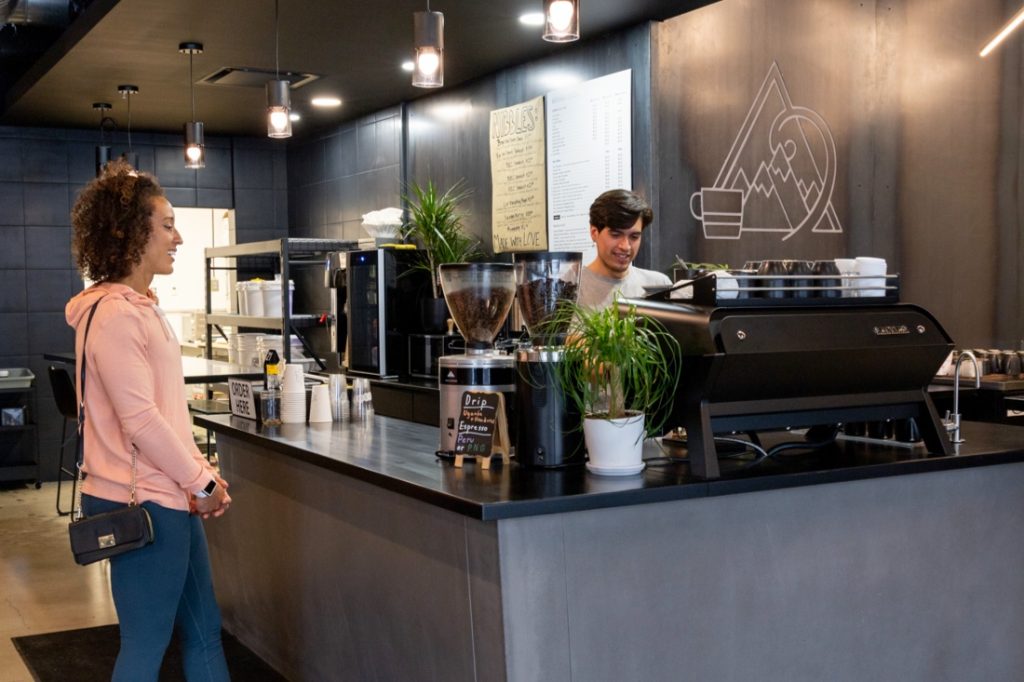
When you walk into Cupla Coffee and order a latte or take home a bag of beans, you’re getting the result of dozens of decisions made by people who care about what they’re putting in your cup.
And honestly? Coffee roasted and brewed with care tastes better. You can feel it in the smoothness of the brew, the clarity of the flavors, the way the coffee doesn’t leave you with that burnt, bitter aftertaste you get from lower-quality beans or careless roasting.
Come Taste the Difference
We could talk about our beans all day (and we often do), but the best way to understand what we’re going on about is to try it yourself. Stop by one of our Salt Lake City locations and grab a cup.
Because at the end of the day, coffee should be more than just caffeine. It should be an experience worth savoring.