

If you’ve had a really good cold brew and thought, “I wonder if I could make that at home,” the answer is yes. Easily. The process practically runs itself.
What Makes Cold Brew Different
Most coffee gets made in a hurry. Hot water moves through grounds in a matter of minutes, and the result can be bold and bright, but also a little bitter if things go even slightly sideways. Cold brew takes the opposite approach.
Instead of heat, it uses time. Coarse coffee grounds steep in cold water for 12 to 24 hours. That slow extraction draws out a different range of compounds from the beans, which produces a concentrate that’s noticeably smoother and less acidic than your average drip or pour-over. The flavor lands rounder, a little naturally sweeter, and without any sharp edges.
That lower acidity is also a lot gentler on your stomach. If hot coffee has ever left you feeling uncomfortable, cold brew is worth a try. Many people who assumed they were sensitive to coffee find they have no issues with it once they make the switch.
One thing that stands out right away is how drinkable cold brew is on its own. You don’t need heavy cream or layers of sugar to make it enjoyable. The smoothness is already there. And when you start with good beans, you can actually taste them.

It’s Easier to Make Than You’d Think
Cold brew has a reputation as something you order at a café because making it at home feels complicated. That reputation is not earned.
The equipment list is genuinely short. You need fresh ground coffee (coarsely ground), cold filtered water, and a container big enough to hold them both. A mason jar works. A pitcher works fine, too. For straining after steeping, a fine-mesh strainer or cheesecloth works well.
If you find yourself making cold brew regularly, or in bigger batches, cold brew coffee filter bags are worth picking up. You pack your grounds into the bag before steeping, and when the brew is done, you just lift the whole thing out. No pouring, no straining, no mess on the counter. For anyone who’s decided this is part of their weekly routine, the few dollars spent on filter bags pays off fast in cleanup time alone.
There’s no special gadget involved, no temperature to hit, no technique to practice. The work is minimal. You combine your grounds and water, stir it, and leave it alone. Most of what makes cold brew happen is just time in the fridge overnight. If you can prep that much before bed, the morning version of you will be very grateful.
Grind size matters more than most people expect, and getting it right makes a real difference in the final cup. Our guide to coffee grind sizes walks through everything you need to know if you want to dial yours in.
A Simple Cold Brew Coffee Recipe
Here’s a cold brew coffee recipe that’s easy enough for a first attempt and repeatable enough to become a weekend habit.
What you’ll need:
- Fresh ground coffee, coarsely ground
- Cold, filtered water
- A large jar or pitcher
- A fine mesh strainer or cheesecloth, or cold brew coffee filter bags if you’re making larger batches
Ratio
A 1-to-8 ratio of coffee to water produces a lighter, ready-to-drink concentrate. If you want something stronger to dilute with milk or water before serving, try 1-to-4. Start somewhere in that range and adjust from there.
Steps
- Add your coarsely ground coffee to the jar or pitcher, or pack it into a filter bag if you’re using one.
- Pour in cold, filtered water and stir until the grounds are fully saturated. If using a filter bag, just submerge it fully.
- Cover and let steep in the refrigerator for 12 to 24 hours. Longer steeps produce a richer, more intense flavor.
- Strain through a fine mesh strainer or cheesecloth into a clean container, or simply lift out the filter bag, and you’re done.
- Pour over ice and enjoy.
Want a bigger batch? Double the water and coffee grounds in your ratio. The steep time is the same for both small and large batches, so you might as well make more to be more efficient.
Why the Beans You Use Matter
Cold brew is straightforward by design, and that simplicity puts most of the weight on the beans themselves. There’s no heat to adjust, nothing to compensate for a flat or stale roast. What you put in is almost exactly what you get out.
Finding the best coffee beans for cold brew doesn’t require a deep dive into specialty roasting terminology. The main thing to look for is freshness and roast level. A mid-dark roast tends to work beautifully here. That roast level brings out notes of dark chocolate and caramel that translate cleanly into a slow-steeped concentrate. Fresh roasted coffee, specifically, makes a difference you can actually taste because the oils and flavors haven’t had weeks to fade in transit or on a shelf.
Cupla’s coffee is roasted locally, right here in Salt Lake City, at high altitude. High-altitude roasting alters how beans develop during roasting, yielding a cleaner, more balanced flavor profile that holds up especially well in cold brew. If you want to understand what altitude does to coffee at a deeper level, our guide to brewing coffee at altitude in Utah is a good read.
The beans we work with are sourced through our partnership with Genuine Origins, a company built around full supply chain transparency and direct relationships with farmers. Every bag we roast traces back to a specific farm and a specific grower. That’s a meaningful difference from picking up a bag of local coffee shop beans without knowing where they came from or how long they’ve been sitting.
Make It Your Own
Once you have a batch of cold brew ready, the easy part gets even easier.
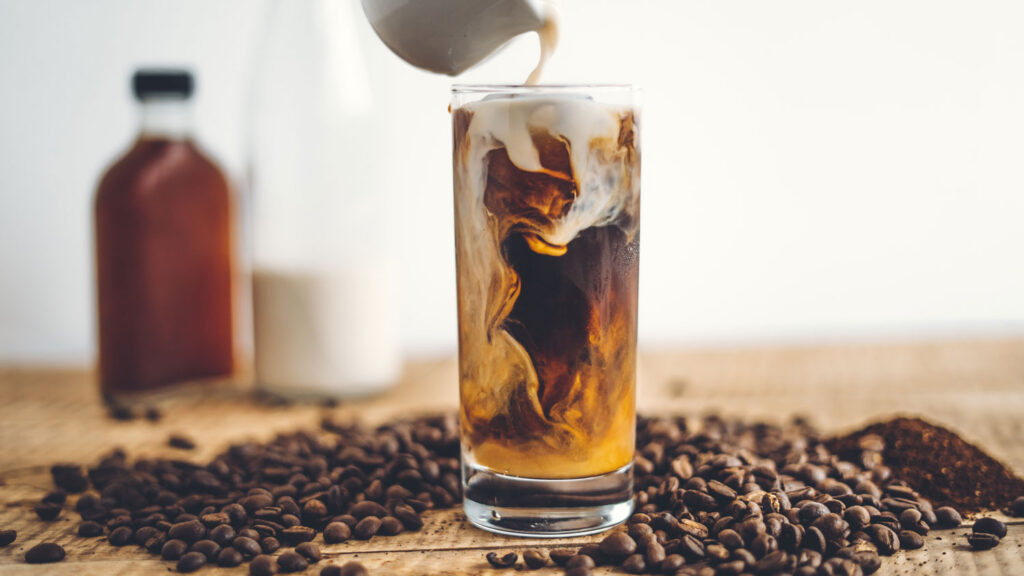
A splash of oat milk or your preferred dairy goes a long way. Vanilla extract or a small pour of simple syrup adds warmth without any artificial ingredients. If the concentrate turned out stronger than expected, dilute it with cold water until it hits the right spot for you.
Cold brew also stores really well. In a sealed container in the refrigerator, it stays fresh for up to a week. One batch made on a Sunday morning covers your coffee for most of the week, no daily brewing required. That convenience compounds fast. You’re putting in ten minutes of actual effort, then pulling a great cup out of the fridge every morning for days.
Once you find the ratio and additions that work for you, the process becomes second nature.

Ready to Brew Something Good?
The method is simple. The equipment is minimal. But the coffee you start with shapes everything about the final cup’s taste.
Pick up a bag of freshly roasted coffee from Cupla at our Salt Lake City, Cottonwood Heights, or Park City locations. If you’d rather have fresh-roasted coffee delivered without making a trip, ask us about our monthly coffee bean subscription so you never have to worry about running low again. Ready to get started? Head to cuplacoffee.com and see what’s coming out of the roaster right now.